
10 Reasons Your Dog Keeps Escaping Your Knoxville Yard (and How the Right Fence Fixes It)
08/22/2026
/ Knoxville, Tennessee /
/ Dog-safe yard guide /
Are you tired of opening the back door and discovering your dog has turned another Knoxville afternoon into an adventure?
If you are constantly checking the gate, filling holes, or searching the neighborhood… your fence may not be designed for the way your dog thinks, moves, and plays.
Dogs escape for predictable reasons. They jump. They dig. They squeeze through gaps. They push weak gates. Sometimes they are simply following a squirrel, another dog, or the delivery truck down the street…
The good news? The right fence design can solve many of these problems while improving your home’s privacy, security, and curb appeal.

Image credit: Knox Fence project imagery | Updated 08/22/2026
1. Your Fence Is Too Short
A four-foot fence may look secure from inside your home. For an athletic dog, it may look more like a starting point.
Some dogs can jump surprisingly high, especially when they see a distraction on the other side. Larger breeds, energetic dogs, and determined escape artists may need a fence that is six feet tall or more.
The right height depends on:
- Your dog’s size
- Jumping ability
- Breed and energy level
- Nearby objects that create a launch point
- Whether the fence blocks visual distractions
A taller fence is not always the only answer… but it is often the first place to start.
For many Knoxville homeowners, a solid wood or vinyl privacy fence can provide both height and a smoother surface that is harder to climb. An experienced contractor can help you choose a height that fits your dog and your property.
2. The Gate Hardware Is Too Weak
Is your dog escaping through the gate instead of the fence line?
Gates are common escape points because they include hinges, latches, posts, and moving parts. Over time, a gate may sag, shift, or stop lining up with the latch. A clever dog may learn to push it open.
A secure dog-friendly gate should:
- Match the height of the rest of the fence
- Close completely every time
- Use strong hinges
- Include a self-closing feature when appropriate
- Have a latch that your dog cannot reach or operate
- Stay level and properly aligned
Check the bottom of the gate, too. If it has more clearance than the fence panels, your dog may be able to crawl underneath.
Small hardware problems can become big safety problems quickly… especially when your dog learns the exact amount of pressure needed to open the gate.
3. There Are Gaps Under the Fence
Uneven ground is common around Knoxville properties. Sloped yards, exposed roots, erosion, and settling soil can all create openings under a fence.
A small dog may squeeze through a gap that looks too narrow to matter. A larger dog may use the same opening as the beginning of a digging project.
Walk the entire fence line and inspect:
- Areas where the ground slopes
- Corners and fence transitions
- Both sides of a double gate
- Spots where soil has washed away
- Places where grass or landscaping hides the bottom edge
The fence should sit close to the ground without creating a dangerous pinch point. If the gap is difficult to correct with a simple adjustment, a professional may recommend a lower rail, a redesigned panel, or a dog-safe barrier along the bottom.
4. Your Dog Is Digging Under It
Some dogs do not jump fences at all. They dig.
Digging may come from boredom, anxiety, prey drive, excess energy, or the simple discovery that the soil is soft. Once a dog creates a shallow depression, each escape attempt becomes easier.
Possible solutions include:
- Setting the fence bottom closer to the ground
- Adding a buried mesh barrier
- Extending a secure material outward along the fence line
- Using hard edging or pavers in problem areas
- Removing loose soil near the fence
- Adding more daily exercise and enrichment
The best solution depends on the fence material, soil conditions, drainage, and your dog’s habits. A fence contractor can help you address the structure instead of repeatedly filling the same hole…
5. The Fence Material Gives Your Dog a Foothold
Material choice matters when your dog is a climber.
Chain link fencing is practical, durable, and useful for many residential yards. However, some dogs can use the mesh as a climbing surface. If you choose chain link, the height, mesh size, gate design, and surrounding layout all deserve attention.
Aluminum fencing offers clean lines, durability, and low maintenance. It can be a strong choice for homeowners who want visibility and an attractive perimeter. The picket spacing should be selected with your dog’s size in mind.
Wood and vinyl privacy fencing create smoother surfaces. They can also block visual triggers such as neighborhood pets, pedestrians, and passing vehicles. That may reduce the urge to jump in the first place.

Knox Fence offers aluminum fencing, wood fencing, vinyl fencing, and chain link fencing, giving Knoxville homeowners several ways to balance pet safety, appearance, maintenance, and budget.
6. Your Dog Can See Too Much
Some dogs escape because they are reacting to what they see outside the yard.
A neighbor walking by. A rabbit near the property line. A vehicle pulling into the driveway. Once your dog becomes excited, the fence may become something to challenge rather than a boundary to respect.
A privacy fence can reduce these visual triggers. Solid wood and vinyl panels may help create a calmer outdoor space, particularly for dogs that bark, pace, or jump at movement.
This does not replace training or supervision. It can, however, remove some of the excitement that keeps your dog focused on the other side of the fence.
7. The Fence Is Damaged or Starting to Lean
Are you looking at loose boards, bent mesh, cracked posts, or a gate that drags across the ground?
A fence does not need to be completely down to become unsafe. One loose section can create an opening. One weak post can allow a determined dog to push through. Weather, moisture, falling branches, and shifting soil can all affect fence condition over time.
Inspect your fence after heavy rain and strong storms. Look for:
- Leaning posts
- Loose or missing pickets
- Rust or bent chain link
- Cracked vinyl panels
- Broken gate hinges
- Latches that no longer engage
- Erosion around post bases
Read this Knoxville fence repair guide for more ideas on identifying damage and deciding whether repair or replacement makes sense.
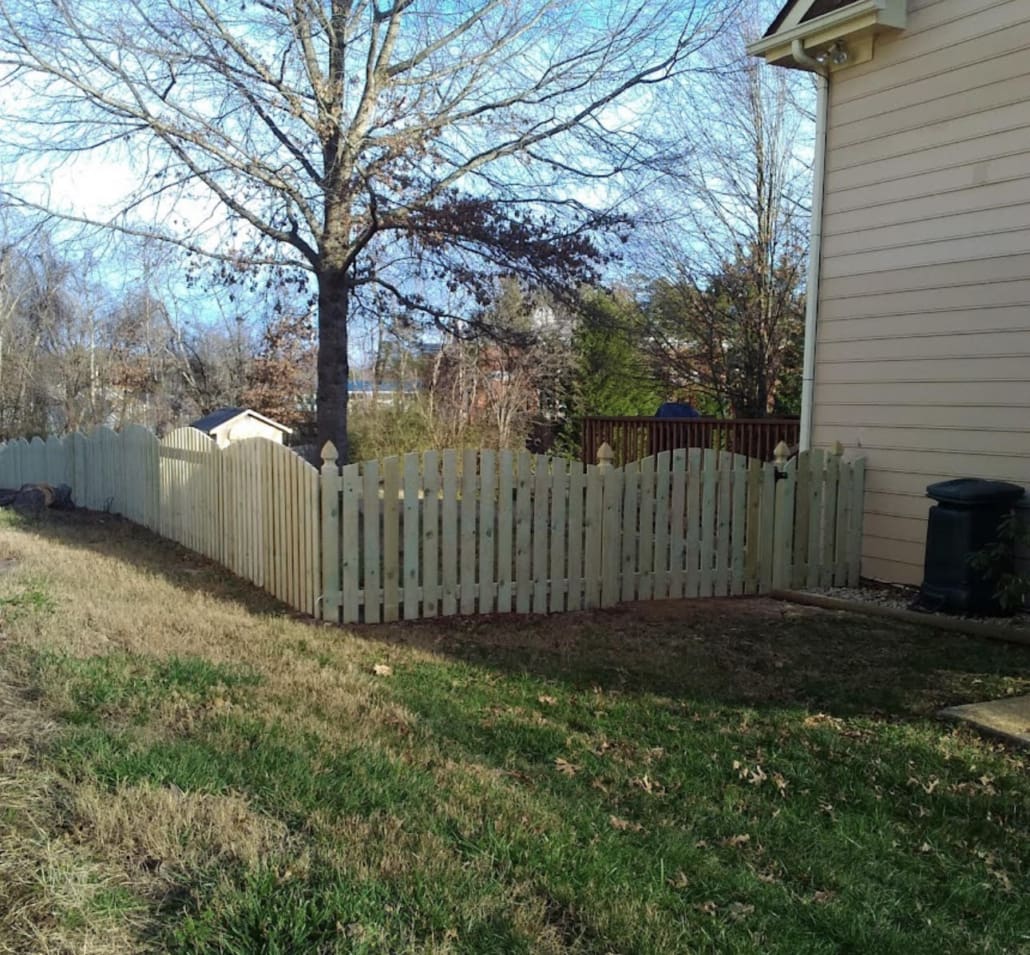
8. Your Property Line or Yard Layout Creates an Opening
A fence can look complete and still leave an escape route.
This often happens when the fence stops at a driveway, retaining wall, drainage area, shed, or neighboring structure. Your dog may find the one place where the boundary changes and use it every time.
Before installing or modifying a fence, walk the property with your dog’s behavior in mind. Look for:
- Gaps between the fence and home
- Openings beside air-conditioning equipment
- Low retaining walls
- Steps or decks that create a jump point
- Landscaping close enough to climb
- Transitions between your fence and a neighbor’s
Property lines matter, too. You want the fence placed correctly so the enclosure protects your yard without creating disputes or requiring costly changes later. A professional layout review can help identify boundary concerns before installation begins.
9. The Fence Was Not Designed Around Your Dog
A fence that works well for a calm senior dog may not work for a young, fast, curious dog.
Your dog’s habits should influence the design. Does your dog jump? Dig? Climb? Push? Squeeze? Chase? Bark at every person who passes?
When you search for “fence installation knoxville,” look for a contractor that will discuss these details before recommending a material. The goal is not simply to install a fence. It is to create a complete enclosure that fits your property and your pet.
That may mean combining a taller fence with a secure gate, tighter spacing, a privacy section, or a dig-resistant bottom detail… one property may need a different solution than the next.
10. You May Need a Professional Assessment
If your dog has escaped more than once, the problem deserves a closer look.
Temporary fixes may help for a day or two. A board, zip tie, or decorative stone may not hold up against a determined dog, changing weather, or shifting soil.
It is time to contact a professional when:
- You cannot find the escape point
- Multiple fence sections are damaged
- Posts are leaning or unstable
- Your gate will not stay closed
- Your dog is digging under several areas
- You are changing the fence height or layout
- You are unsure where your property line sits
- You need a full replacement instead of a patch
When comparing “fence companies knoxville tn” or “knoxville fencing companies,” ask about experience with gates, repairs, material options, property layout, and pet containment. Clear communication matters just as much as the finished fence.
Choosing the Right Fence for Your Knoxville Yard
There is no single best fence for every dog.
Chain link can offer dependable containment and visibility. Aluminum can provide a clean, low-maintenance boundary. Wood can deliver privacy and a traditional look. Vinyl can combine privacy, durability, and simple upkeep.
The right choice depends on your dog, yard, neighborhood, budget, and long-term goals. You can explore Knox Fence’s full selection of fencing options before discussing your project.
Searching for “fence knoxville tn” homeowners can trust? Knox Fence is a veteran-owned, locally operated contractor serving Knoxville, Sevierville, Gatlinburg, Pigeon Forge, and surrounding East Tennessee communities. The team focuses on practical designs, dependable installation, and the safety of local families and pets.
Want to join the discussion? Feel free to contribute your own escape story… the jumping, digging, and gate-opening habits may sound familiar to another Knoxville dog owner.
Give Your Dog a Safer Place to Play
A secure yard gives your dog room to exercise and gives you more peace of mind. It also helps protect children, guests, landscaping, and nearby roads from an unexpected escape.
If you are ready to repair a weak fence, replace an outdated enclosure, or plan a new pet-friendly fence, contact Knox Fence to discuss your property and request an estimate. The right fence can make your yard safer… and keep your next adventure where it belongs.

Leave a Reply
Want to join the discussion?Feel free to contribute!